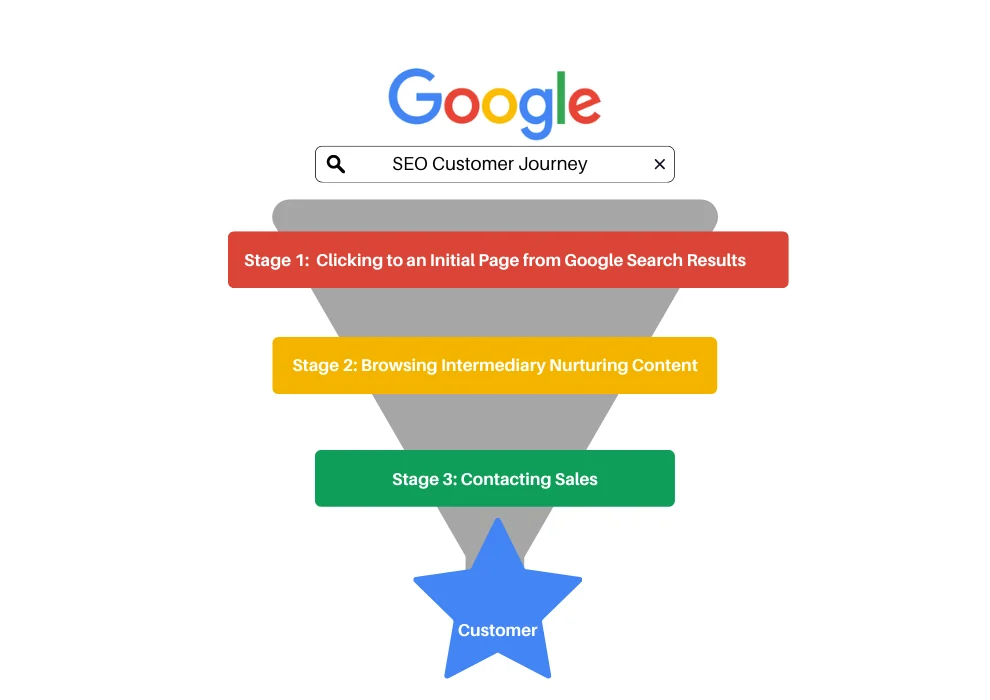
Table of Contents
Most business owners think about Google search in a fairly straightforward way — rank higher, get more clicks, appear on the first page.
And all of this is fair, but ranking is only a part of the journey.
Before a customer becomes your customer, there’s usually a series of events that have happened in between. They searched something, looked through the results, compared a few websites, looked at reviews, and more.
These are the events I call the Google search journey. Looking at the Google search journey this way makes it easier to understand why getting a click is not always the same as getting a customer.
If you’re only thinking about rankings and keywords, you’re thinking of one part of the journey. Knowing what happens after someone has found you can help you shift your thinking in a way that thinks about not just getting visibility, but getting customers.
What Is the Google Search Journey?
The Google search journey is the path someone follows from realizing that they have a problem, to picking a business that will solve the problem for them.
And it doesn’t always start with them going to Google and typing in your exact service!
Say, for example, there’s a small business owner who wants to get more customers from Google. The owner may search for things like:
- “How to get more customers from Google”
- “Digital marketing for small businesses in Kochi”
- “Why isn’t my business showing up on Google?”
They probably aren’t looking for a specific digital marketing professional. They’re looking for an answer to the problem they’re already experiencing.
That’s different than someone searching for a specific service.
They often search for what they want or need in a certain way that may be different to how services are traditionally described.
Once they’ve found a few possible answers, most customers will then go through a comparing stage. They may look at a few websites, read reviews, look at social media, and so on — before deciding which business is the best fit for them.
That’s why a customer doesn’t just become a customer merely because they found you! Their decisions are often greatly influenced by what they see, and you need to be on the receiving end of that.
A Simple Breakdown of the Google Search Journey
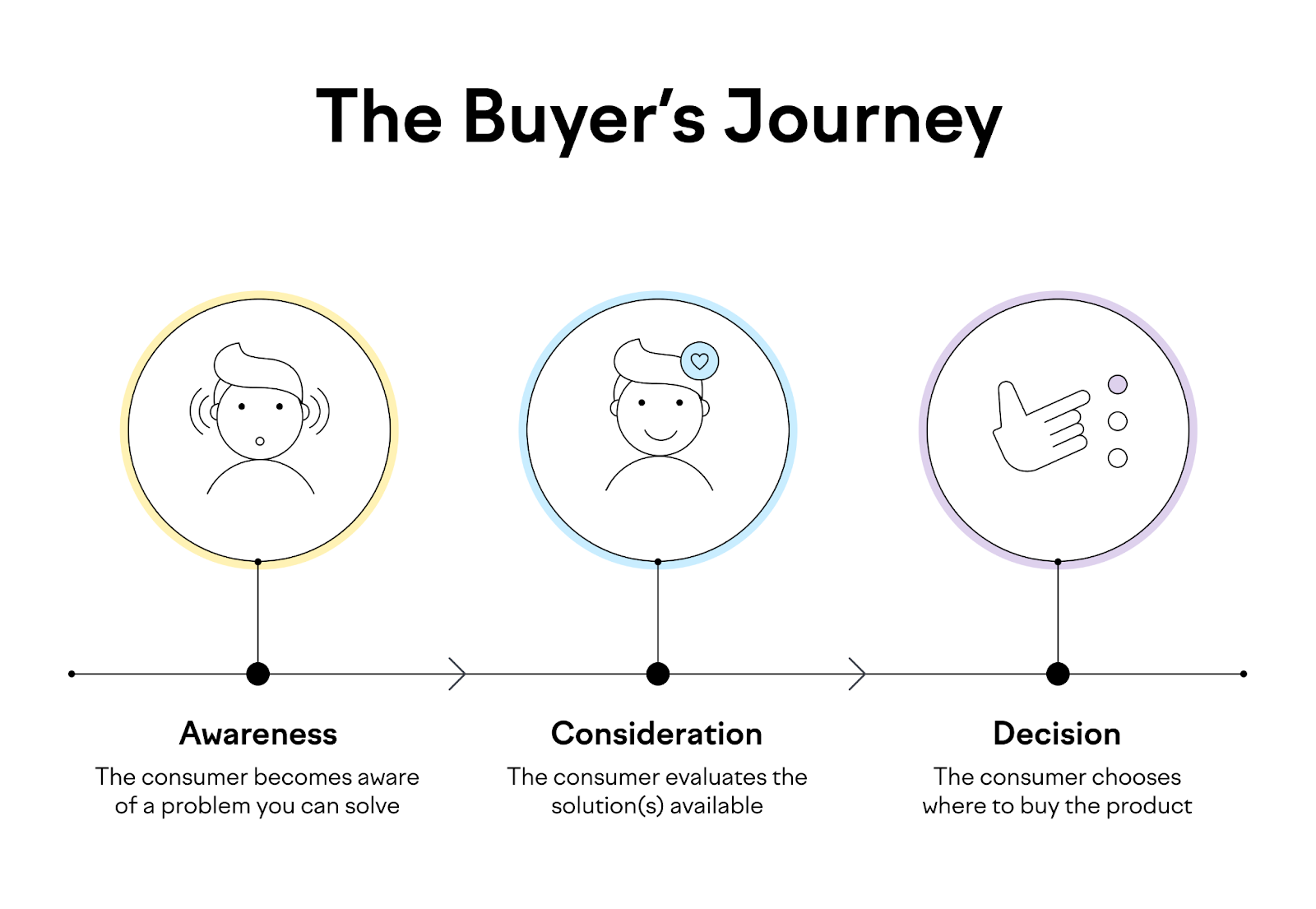
- Problem — the customer realizes they have a problem or need
- Search — they type things into Google in search for an answer
- Evaluation — this is the comparing stage; they may look at various websites, reviews, and other content to determine which service is the best fit
- Action — this is the point where they actually take action, whether it’s a WhatsApp message, a phone call, a form submission, a booking, or just a purchase of any sort
That may seem very simplified, but the beauty of this way of thinking is that it shifts the focus to how someone may actually become your customer. Instead of just thinking about the question, “How can I get ranked higher?”, you’re also thinking about the question, “What can be done to ensure someone becomes our customer?”
Search Journey at a Glance
| Stage | What’s happening | What businesses should focus on |
|---|---|---|
| Problem | The customer realizes something needs to be done | Understand their actual needs |
| Search | The customer searches on Google | Understand how they search |
| Evaluation | The customer compares things | Build clarity and trust |
| Action | The customer decides to take action | Make the next step easy |
Where Most Websites Lose a Potential Customer
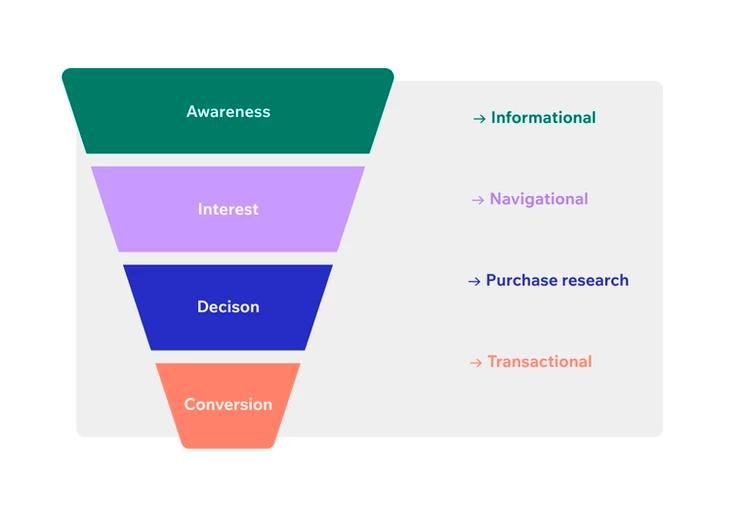
I’ve seen small businesses lose a potential customer because the website made it too difficult to understand what the business does.
The website may look nice, have a few nice graphics or animations and plenty of information, but if you land on the page and you don’t know anything about what the business does, who they’re for, and what they can do for you, then there’s a good chance you’ll leave it and try to Google someone else.
Think how you act when you’re in search of something.
If you come on a website and understand what it’s about and what you can expect, you’re probably going to want to stay there to browse some more. But if you have to scroll down quite a bit before finding about what the business does, then there’s a good chance you will not explore that far.
I think the first few seconds are always a big deal, and you should make it as easy for people to understand what you do and what they can do next.
A Quick Website Check in the Google Search Journey
Ask yourself:
- is it easy to identify what you do?
- Can anyone find your services easily?
- Would a stranger know who you’re for?
- Is there something clickable that tells people what they should do next?
- Can they find your phone number or WhatsApp easily?
Sometimes improving your websites clarity can help far more than content addition could.
Where Does Local SEO Fit Into This?
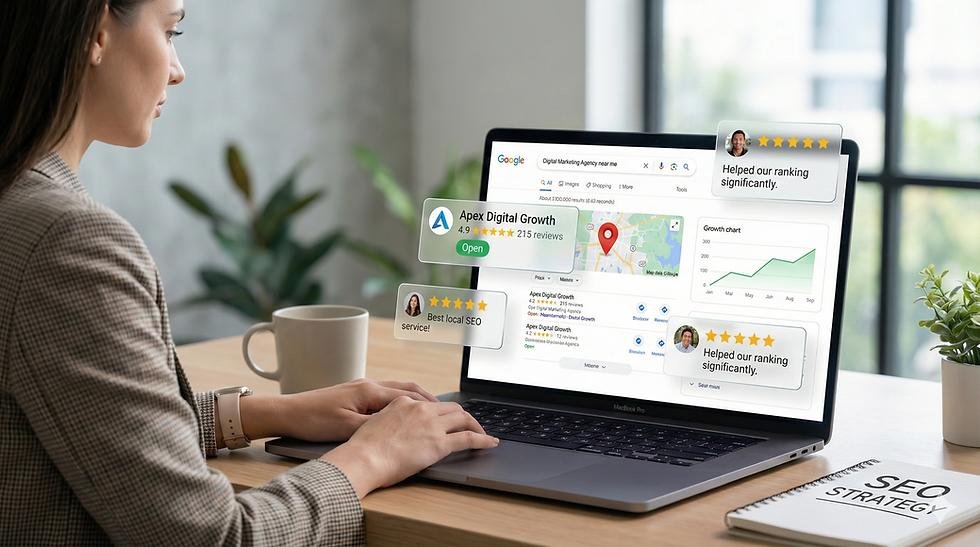
Local SEO plays in even earlier parts of the journey than many may be aware of. It can be an important part of the Google search journey because people often form an impression of a business before they even visit its website.
The things a customer may see when they search for a local service may be your Google Business Profile — and not necessarily your website.
For example, someone searching for “digital marketing agency near me” may immediately see a few businesses on the search results or Google Maps. Before browsing any of the businesses’ websites, they may already be able to size things up. Reviews, ratings, their location, some photos, some business information, and the services that each business offers.
All of that information can play a big factor in which businesses they choose to look at first.
Reviews are also very important. If there are two businesses offering similar services, but one has reviews and an active, fully described Google Business Profile while the other doesn’t have much information, then the first business may have more appeal just based on what information is present.
Local SEO is about making sure that the information people see when they search for similar businesses is a true reflection of your services.
I don’t have a large amount of client campaigns to use as a basis of a case study just yet, but the more I work with SEO and Google Business Profiles, the more I realize how these first impressions can be so important. A business can be seen by many, but visibility alone doesn’t create trust.
Search Isn’t The Same
Google search, as we’ve seen it for the last few years, isn’t the same anymore. We’re seeing more AI-generated search results, rich snippets, maps, featured snippets, videos, and more that appear depending on what is being searched.
But I don’t think the core questions people ask haven’t changed much. The Google search journey may look different today, but the basic process of searching, comparing and deciding is still there.
Can this solve my problem? Can I trust this business? Is this the best option for me? These questions haven’t gone anywhere despite search results changing.
That’s also why creating content for the sole sake of keywords isn’t enough anymore. Google’s own guidance around helpful, reliable content puts a lot of emphasis on creating content that actually helps the person reading it — not content that’s created just to satisfy a keyword. For businesses, that means thinking about the person searching and not the search term.
FAQs
Doesn’t a higher ranking automatically bring in more customers?
Not necessarily. A higher ranking can help more people find your business, but this is only one step. Your search result, website, reviews, and overall visibility can all affect how likely someone is to contact you.
How long does a Google search journey take?
It depends on what the person is looking for. Someone searching for a local restaurant may decide on a business within a few minutes. Someone searching for a digital marketing service or other higher-cost service may take a few weeks comparing businesses before choosing one.
What’s a big mistake businesses make?
Only focusing on how to get found and not on what happens after the click. You can spend a lot of time on SEO and still get very few customers if the website isn’t optimized correctly.
Is local SEO only useful for people who search “near me”?
No — local SEO can be useful for businesses that search for relevant searches that have location-associated features even without the “near me” search. Businesses can also appear for things that are location-specific even if they haven’t searched “near me”.
Don’t Just Think About Ranking
Understanding the Google search journey can help businesses look beyond rankings and think about the complete experience a potential customer goes through.
If I had to give a piece of advice to a small business owner, it would be to think about how to both get found and get customers. Once you understand the Google search journey, it becomes easier to see where a potential customer might lose interest or gain confidence. What will your customers search when they realize they have a problem? What will they actually see when your business appears on Google? Does your website answer the questions they came with — or make them dig for it? Do your reviews and overall presence make you look like someone worth contacting, or another listing?
By getting these right, the “next step is up to you” phrase gets taken care of itself.
I’m fairly early in my career as a digital marketing expert in Kochi, and one thing I’ve come to learn is that digital marketing isn’t just about getting people to your website — it’s about what happens before the click, after the click, and up until someone decides.
A higher rank can help get you seen, but clarity and trust can build relationships.
The Google search journey is more than just the moment someone finds your business on Google. It’s everything that happens before they decide whether you’re worth clicking on, exploring, trusting and eventually contacting. Understanding this journey can help businesses look beyond rankings and start thinking about the complete experience they create for potential customers. Because in the end, being visible is only the beginning — what happens throughout the Google search journey can be what turns that visibility into an actual customer.