Author name: Nandhana Ramachandran

Blog, AI

AI and Search Intent: What It Gets Right, and Where It Still Needs a Human

I typed a keyword into ChatGPT once, asked it what the search intent was, and got an answer back in about two seconds. Confident. Clean. The kind of answer that makes you want to just copy it into a content brief and move on with your day. But then I started actually checking those answers against what Google was showing for the same keyword, and that’s when things got interesting. This is really the whole question behind AI and search intent — not whether AI can label a keyword, because it can, but whether that label means anything close to what the person searching actually wanted. I’ve spent a fair amount of time learning SEO by running this exact comparison, AI’s guess versus the real SERP, and the answer I landed on isn’t a clean yes or no. It’s messier than that, honestly, and the mess is where the useful part lives. What AI and Search Intent Even Mean Understanding AI and search intent becomes important here because AI can identify broad patterns in a search query, but search intent often has more context than the keyword itself reveals. At its core, search intent is just the reason someone searched something. Not the words they typed — the actual need sitting behind those words, plus whatever situation or mood they’re in when they type them. SEO people usually split this into four categories: Sorting a keyword into one of these four buckets isn’t the hard part. AI does that fine. Google does that fine. The hard part is everything sitting inside the bucket once you’ve sorted it. AI Isn’t Wrong, Exactly That’s where AI and search intent can actually work well together. AI gives you a useful first interpretation, while the SERP helps you check whether that interpretation matches reality. Let me give credit where it’s due first. I looked at “best digital marketing course in Kochi” while I was still fairly new to this. AI called it commercial intent — someone weighing options before deciding on a course. And yeah, that’s correct. If you’ve got a spreadsheet with three hundred keywords and need them tagged quickly, this kind of labeling is genuinely a time-saver. I use ChatGPT for exactly this fairly often. Feed it a batch of keywords, ask for intent groupings, and it’ll chew through them faster than I ever could manually. As a starting point, not the finish line, it’s useful. Where AI is genuinely strong is scale. Thousands of queries, spotted patterns, grouped intents — that’s the kind of work AI does in minutes that would take a person an entire afternoon. If you’re running an audit across a large site or sorting a huge keyword export, that speed actually matters. Where AI and Search Intent Start to Fall Apart Here’s the less flattering part. Take that same Kochi course keyword. AI got the category right. It missed everything else. Was this person looking for something cheap? Weekend batches because they’re working a day job already? Placement support because landing a job is the actual goal? Or just something beginner-friendly because marketing is completely new territory for them? None of that is in the keyword. It’s implied — by the person, their situation, things they didn’t bother typing out. And that’s exactly where AI trips up. It can slot a query into a category, sure, but reading the unwritten context behind it is a different skill entirely, one AI doesn’t really have. I ran into this over and over. AI would give me a technically correct label, then I’d check the actual ranking pages and see they were answering something much narrower and more specific than that label suggested. The category wasn’t wrong. It just wasn’t deep enough to be useful on its own. Honestly, the mistake I made early on — more than once — was stopping there. Type the keyword, get the label, start writing. Except the same keyword means different things to different people, and AI won’t always flag that difference for you. What you end up publishing checks every SEO box and still doesn’t actually help whoever lands on the page. What I Actually Do Now Nothing fancy. Just a habit I’ve built: That last one is the whole point, really. Everything else on this list is just prep work for asking that one question honestly. AI and Search Intent Aren’t Really in Competition So — can AI understand search intent better than humans? Based on everything I’ve tested against real search results, no. Not right now. Possibly not ever, at least not in the way that actually matters for content that works. AI’s advantage is speed and pattern recognition. Feed it volume and it’ll find overlaps and group intents fast — genuinely useful for SEO search intent analysis when you’re dealing with hundreds of keywords at once. But a search query isn’t just text. Someone’s behind it, with a mood, a situation, maybe a cultural context that never makes it into the keyword. Reading that is still a human thing. Frustration, hesitation, urgency — we catch that. Pattern-matching systems mostly don’t, or not fully. I don’t really think of it as AI against humans anymore. AI does the first pass — grouping, sorting, flagging the obvious stuff — and then someone actually has to sit down and check whether that label holds up against what real searchers need. Things Worth Not Doing A Few Questions People Ask About AI and Search Intent Does AI fully get search intent right? Not fully. It’s solid on broad categories and patterns across big keyword lists, but the specific, unspoken context behind one individual search? That part it usually misses. Should I just stop using AI for this? No, that’d be overcorrecting. Use it to move fast. Just don’t treat whatever it gives you as final — check it against what Google’s actually showing. What actually works best? Combining both. Let AI do the first-pass sorting, then go check the real SERP yourself —

SEO, Blog

When Search Becomes a Conversation: The Next Shift in AI Search

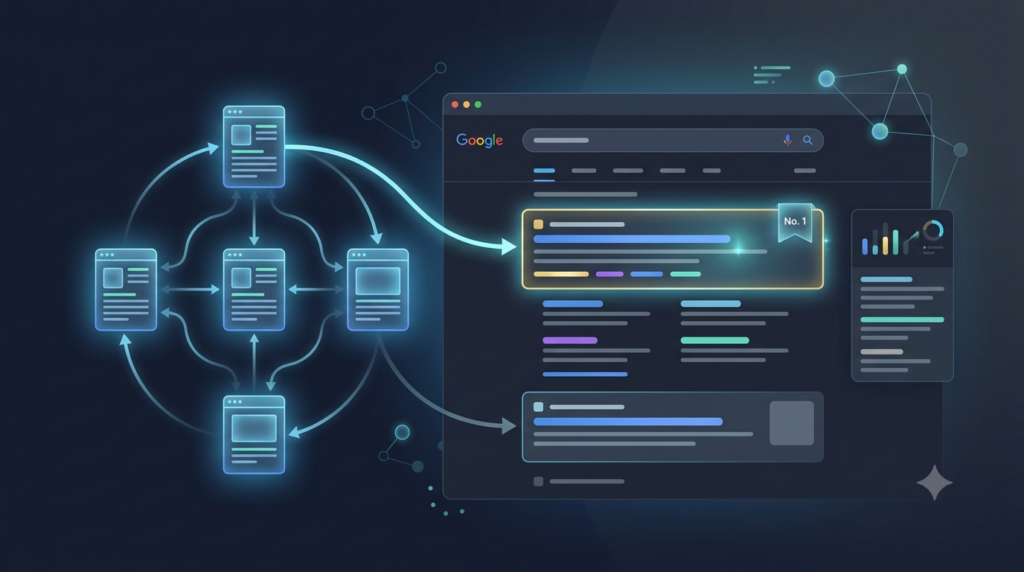
Something I’ve noticed about myself lately — as just a regular person searching for things — is that I trust the AI overview more than I trust scrolling through search results. Not blindly. But when I search for something now, I can ask more questions right there. The search turns into a conversation instead of a one-time query. I ask something, I get an answer, and if it’s not enough, I just ask again. That’s a very different feeling than typing a keyword and hoping the right website shows up. I think that’s the real shift happening in search right now, and most businesses haven’t caught up to it yet. Is AI Search Visibility the New Ranking? If you’re trying to get your website noticed in AI search, being included as a source is becoming an important goal. In traditional search, the focus was mainly on getting a higher position on the results page. With AI search, the idea of visibility is starting to change. Your website may not just need to rank — it may need to become a source that an AI system considers useful enough to reference in its answer. Exactly how far a website needs to go to achieve that is still unclear. There isn’t a simple formula that guarantees your content will appear in an AI-generated answer, and even people working in SEO and AI search are still figuring out how these systems decide which sources to use. What does seem clear is that AI search needs reliable information to build its answers. It cannot simply take information from anywhere and expect users to trust it. The sources behind those answers need to demonstrate some level of credibility and authority. That makes the quality of your content more important than ever. Content should not just answer one small part of a question or repeat information that already exists everywhere. It should give the reader a clear and useful understanding of the topic. In other words, websites need to focus on becoming genuinely helpful and trustworthy sources — not just pages that happen to rank for a keyword. Where Businesses Are Still Stuck in the Old Way Here’s a mistake I keep running into: businesses are still approaching search the way they always have, even though AI search is changing how people find information. Someone might search for “best digital marketer,” and an AI Overview could appear with an answer that doesn’t necessarily include the website ranking number one in the traditional search results. That’s because search intent is changing. People are no longer limited to typing a keyword into the regular Google search bar. They can ask questions directly in AI search, follow up on the answer, and continue the conversation without going through a list of websites first. This means that simply having the right keyword and ranking well in traditional search may not be enough to guarantee visibility in AI search. A website can perform well in the usual search results and still not be included as a source in an AI-generated answer. And that conversation with AI can completely change where someone ends up. A user might be directed to a website that isn’t the top-ranked result because the AI system considers that source more relevant or useful for the specific question. That’s where businesses need to start changing their approach. The goal is no longer just to rank for a keyword. It is also about creating content that genuinely answers questions, demonstrates expertise, and gives AI search systems a reason to consider your website a useful and trustworthy source. Why People Are Turning to AI Search for Better Answers I want to walk through something that happens to me personally, because I think it explains the problem better than any statistic could. The content on a website should contain the actual queries people want answers to — not the kind of thing a business puts up just to get someone to contact them, which, honestly, is a trick users have started to hate. I say that as someone who’s been on the receiving end of it plenty of times. I go into a website expecting to get the full picture out of it — all the information I need. And when I can’t find it, I get genuinely annoyed. Like, what is this? So I go straight to an AI overview and ask directly, and I usually get a proper answer there. The website was simply lacking the questions or queries a real user would actually be thinking about. Take someone searching for digital marketing courses in Kochi. They land on an institute’s page, but the duration isn’t mentioned, the fees aren’t mentioned — nothing concrete is there. So they lose interest in digging further into that website, and they go find the answer somewhere else instead. What Businesses Need to Do for AI Search If I had to give one piece of advice, it’s this: stop making people hunt for basic answers. The content should be built around what people are genuinely trying to find out — not around getting someone to reach out to a “so-called organization” or fill out a form just to get details that should’ve been on the page in the first place. That approach might have worked when a phone call was the only way to close a customer. It doesn’t work when the alternative is a five-second question to an AI that will give a straight answer without asking for anyone’s contact information. A few things that follow from that: FAQs Does ranking first on Google still matter?  It still matters for traditional search visibility, but it doesn’t guarantee an AI overview will pull from that page. An AI Overview may use a source that it considers relevant and useful for the question, rather than simply choosing the top-ranked result. Why would someone leave a website even after finding it in search?  Usually because the actual information they came for — like pricing

Blog

Why Beautiful Websites Fail at Website Conversion

A website can look incredible and still fail completely at website conversion. I didn’t fully believe that until I saw it up close. Great fonts, smooth animations, a color palette somebody clearly agonized over for weeks — none of it guarantees a single sale. Usually, when that happens, it’s not really a design failure. It’s trust that’s missing. I ran into this myself while comparing digital marketing institutes before deciding where to enroll. A few of the sites were genuinely gorgeous. Clean layouts, professional photography, the whole package. But that’s not what made me pick one over the rest. What actually got me to commit was seeing real testimonials, some clear info about where past students had landed jobs, and a trial period that let me test the course before I paid for the whole thing. Honestly, that trial mattered more than everything else on the page combined. It gave me a way to check if the thing was real before I had to just trust it blindly. Beauty attracts attention, but trust is what makes people take action. Website Conversion Depends on More Than Design A beautiful website can certainly make a good first impression, but that doesn’t always lead to better website conversion. When a person is deciding whether to register, pay, sign up, or invest their time in a business, they usually need more than an attractive design. They need some reason to believe that the business can actually deliver what it promises. Research seems to support this idea. Baymard Institute performed a series of usability tests on product pages and found that 95% of users relied on reviews when deciding whether a product was worth their time. This shows how important other people’s experiences can be when someone is trying to make a decision online. The same idea can apply to websites more broadly. Testimonials, reviews, recommendations, and other forms of evidence can help visitors decide whether a business is worth trusting. Without those things, even a beautiful website can struggle with website conversion. What Makes a Website Feel Untrustworthy? I’ve seen too many examples of businesses trying to attract customers with beautiful websites, only for those websites to fail because there wasn’t enough substance behind the design. Some of the most common problems include: Once these red flags start appearing, visitors can become more doubtful about the business. A website might initially look professional, but if the visitor starts noticing that the testimonials don’t feel genuine or that the information is too vague, the design becomes less important. They may simply leave and look for another company that provides the information they were looking for. This can actually be worse than having a less beautiful website that is honest and informative. A visitor may forgive a website for not having perfect design, but it is much harder to overlook a lack of credibility. The Trust Test in a Few Seconds When it comes to website conversion, deciding whether a website feels trustworthy often doesn’t take very long. Visitors usually start looking for a few basic things almost immediately. They want to understand what the business does, what it offers, and whether there is enough information to support its claims. Some useful trust signals should be easy to find on the website rather than being buried several pages deep or hidden behind menus. For example, a visitor might look for: If these things are difficult to find, the visitor has less reason to stay, which can hurt website conversion. In many cases, the next website they visit may have exactly the information they were looking for. That means a business doesn’t necessarily lose a visitor because its website is unattractive. It can lose them because another website made them feel more confident. What Actually Builds Trust for Better Website Conversion Based on my own experience, there are a few things that can make a significant difference to website conversion. Real and Specific Testimonials Testimonials can be useful, but simply having a testimonial section isn’t enough. A testimonial with a name and specific information about what the customer purchased or experienced is much more convincing than something like “Amazing service! Highly recommended!” Generic testimonials can apply to almost any business, which makes them less useful to someone who is trying to decide whether to trust you. Whenever possible, testimonials should provide enough detail for the visitor to understand what the person’s experience was actually like. Substantive Information A website also needs to explain what it actually offers. A portfolio can look beautiful, but that beauty quickly becomes less impressive if the visitor can’t understand what was done, what the results were, or what value the company actually provides. The same applies to service websites. Visitors shouldn’t have to rely on vague descriptions or generic marketing language to figure out what they’re paying for. Clear and specific information gives people something they can actually evaluate, which can support better website conversion. Lower the Risk of Making a Decision for Better Website Conversion This is one of the things that influenced my own decision the most. The institute I eventually chose offered a trial course, which gave me an opportunity to experience what they were offering before paying for the full course. That made the decision much easier. Instead of asking me to trust the company completely from the beginning, they gave me a chance to see what I would actually receive. Once I was comfortable with the course, paying for it didn’t feel nearly as risky. Depending on the business, this could mean offering a free consultation, sample, demo, trial, or another way for potential customers to experience the service before committing. Make Your Proof Easy to Find Another mistake websites make is putting their strongest trust-building information too far away from the homepage. If a visitor has to click through several pages just to find testimonials or reviews, many people simply won’t bother. Your strongest proof should be available where visitors are most likely to look

Scroll to Top